The strange and twisty tale of the title "Duke of Wellington"
Paul Tempan
This year at our AGM our guest speaker Nigel Henderson discussed names with a military connection in a fascinating talk entitled “Belfast Street Names: Admirals, Generals and Battles”. Naturally, one of the military leaders he dealt with was Arthur Wellesley, 1st Duke of Wellington (1769-1852), famed for defeating Napoleon at Waterloo in 1815.
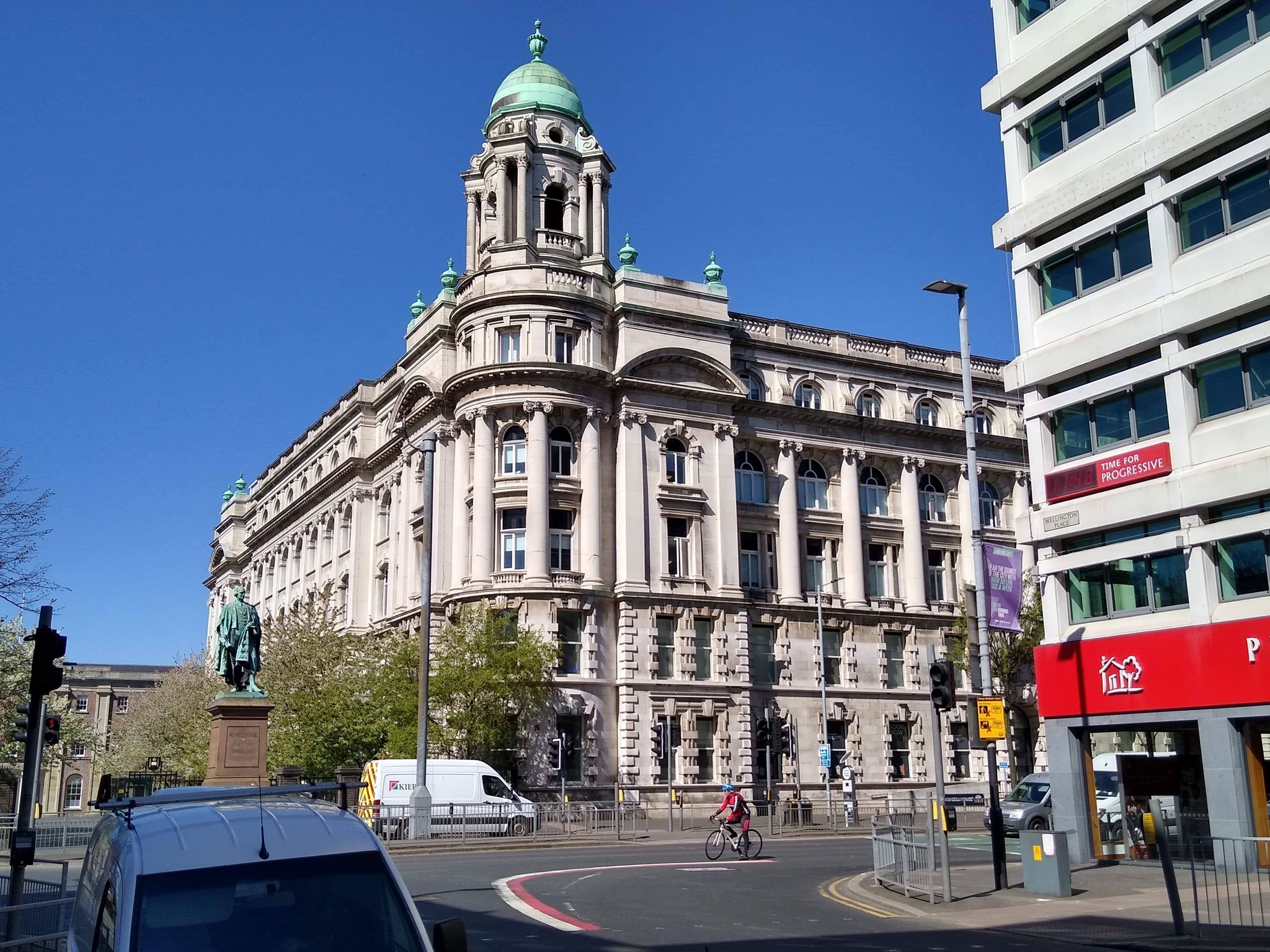
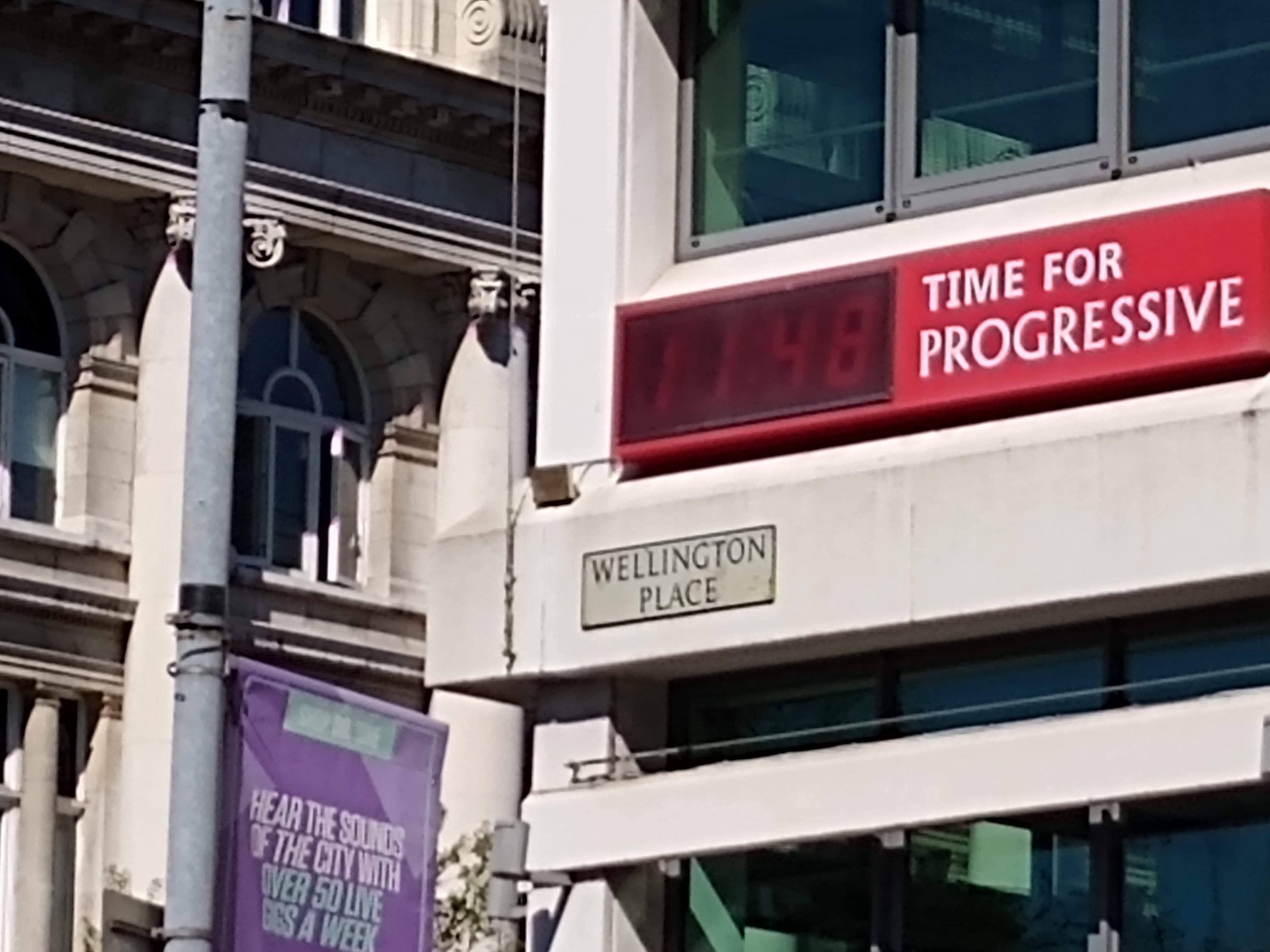
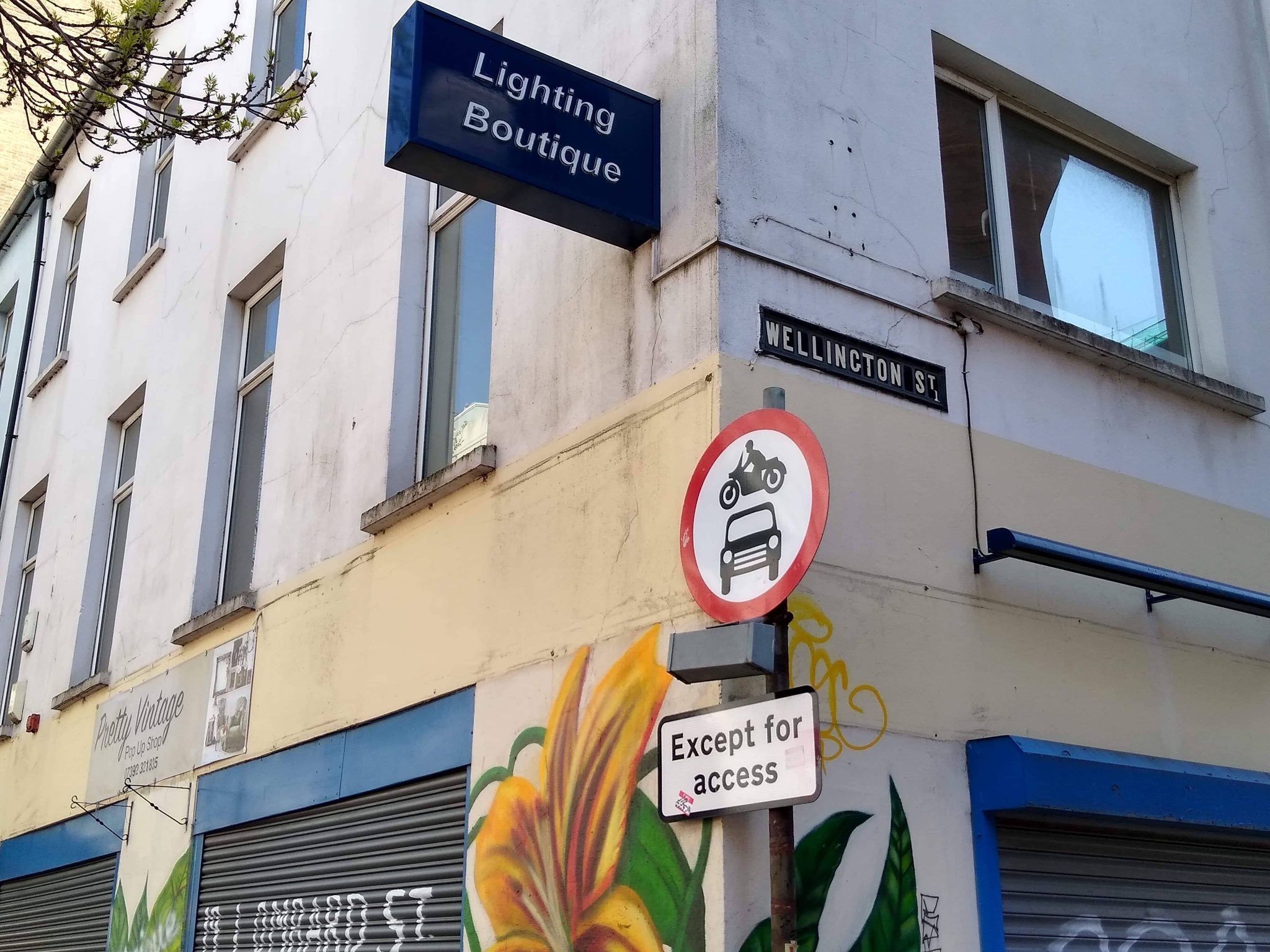
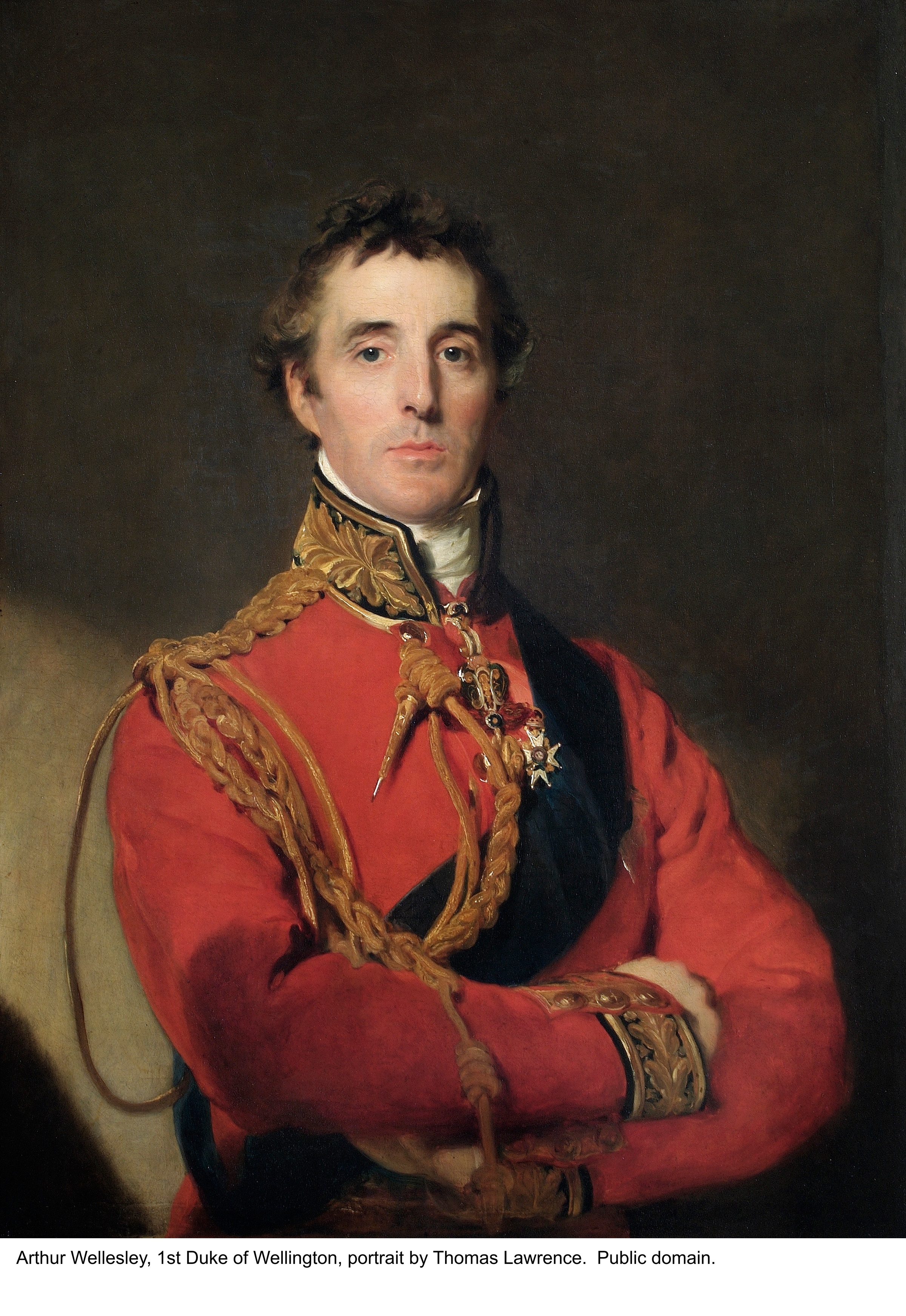 While Nigel was talking about the "Iron Duke", a question occurred to me: where is "Wellington" on which his peerage title was based? There is no shortage of places and things named after Wellington: a style of rubber boot, a recipe for beef in pastry, a WWII bomber aircraft, the capital city of New Zealand…. How long have you got? Streets named in his honour are innumerable. Belfast alone has Wellington Place and Wellington Street in the city centre, and a cluster in BT9 including Wellington Park, Wellington Park Avenue and Wellington Lane. But the question is rarely posed the other way around: where does the title Duke of Wellington come from?
There are at least four distinct places in England called Wellington: two towns, situated in Somerset and Shropshire, and two villages in Herefordshire and Cumbria. The Wellington in question is the market town in Somerset, but apparently he only visited once, passing through! How did it come to pass that he took a title referring to a place with which his connection was so tenuous?
Nigel explained that Arthur’s surname at birth was not Wellesley but Wesley. He was the sixth child of Garret Wesley, 1st Earl of Mornington, and Anne (née Hill-Trevor), Countess of Mornington, and was christened in Dublin. There is some doubt about where he was born, but it may well have been in Dublin. The family held lands in Co. Meath. 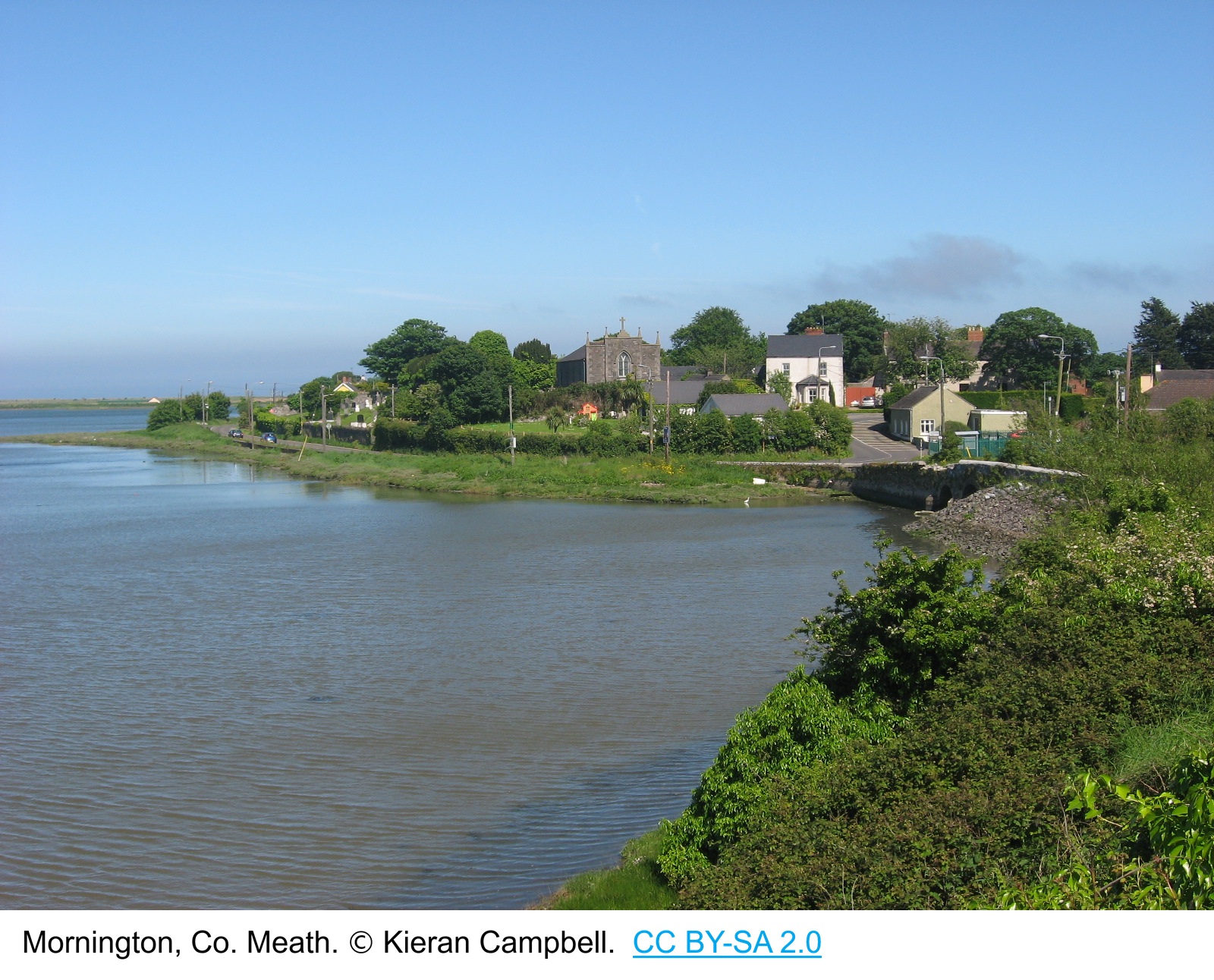 Mornington is a village at the mouth of the River Boyne, downstream from Drogheda. When Arthur was just 12 years old, his father died and his elder brother Richard (1760-1842) inherited his title, becoming 2nd Earl of Mornington. It was Richard who first adopted the surname Wellesley in order to emphasise his connection to this well-known Anglo-Irish family which had accompanied Henry II to Ireland in the Anglo-Norman invasion of 1172. Arthur later followed suit. The Wellesleys were originally from Somerset and the surname relates to the cathedral city of Wells. (Incidentally, Belfast also has a Wellesley Avenue in BT9, running behind Methodist College from Malone Road to Lisburn Road). However, Richard, Arthur and their siblings were related to the Wellesleys along the maternal line. Their paternal grandfather was born Richard Colley and only added the name Wesley as a legal condition when he inherited the estates of Mornington and Dangan in 1728 from his cousin Garret Wesley, who had died childless. But for these name changes, Arthur and Richard would have had the surname Colley.
As the fifth son, Arthur had little prospect of inheriting a title. It was due to his military accomplishments that he was elevated to the Peerage. He had served in Flanders, then for eight years in India, where he rose rapidly through the ranks, leading British forces to victory in battles such as Assaye (1803). He returned to Britain and Ireland in March 1805. In April1806 he married Catherine Pakenham, daughter of the 2nd Baron Longford in Dublin (yes, we have a Pakenham Street in Belfast, off Dublin Road).
He pursued a political career for a couple of years before deciding to join rejoin the Army in a campaign against Denmark-Norway. He led an infantry brigade in the Second Battle of Copenhagen (a victory which accounts for the name of the warhorse which was his mount at Waterloo). In April 1808 he was promoted to the rank of lieutenant general, and two months later he was dispatched to Portugal to fight against Napoleon’s forces in the Peninsular War. After a number of engagements he secured Portugal and moved into Spain to unite with Spanish troops under General Cuesta. Although Cuesta proved a most unreliable ally, Wellesley won an important victory at Talavera in July 1809, and for this he was ennobled as Viscount Wellington of Talavera and Wellington. The mention of Talavera is self-explanatory but the choice of Wellington is most unusual. At this point he owned no property there. It was only three years later in 1812 that he acquired both the borough and manor of Wellington, leasing the borough back to the townspeople. However, the purchase was managed by his elder brother Richard, not by Arthur himself, as he was still abroad campaigning, the Peninsular War continuing until 1814. With further victories to his name, he was elevated to the title of earl in 1812 and again to duke in 1814.
.jpg) Why was Wellington chosen? Richard may have made this choice on behalf of his younger brother because of the Wellesley family’s ancient connection with the county of Somerset. As the title was newly created, there was also the practical necessity of choosing a place which had no peerage title already connected with it. Is it too far-fetched to wonder if the sound of the place-name was also a factor? “Wellington” has the same first syllable as “Wellesley”, which suggests that they are related, even if etymologists tell us that they have quite different origins. “Viscount Wellington” has a weighty ring of importance to it, and a similar rhythm to Richard’s title, “Earl of Mornington”, both belying the smallness of the places concerned.
Why was Wellington chosen? Richard may have made this choice on behalf of his younger brother because of the Wellesley family’s ancient connection with the county of Somerset. As the title was newly created, there was also the practical necessity of choosing a place which had no peerage title already connected with it. Is it too far-fetched to wonder if the sound of the place-name was also a factor? “Wellington” has the same first syllable as “Wellesley”, which suggests that they are related, even if etymologists tell us that they have quite different origins. “Viscount Wellington” has a weighty ring of importance to it, and a similar rhythm to Richard’s title, “Earl of Mornington”, both belying the smallness of the places concerned.
 |
 |
.jpg) |
 |
As we know, Wellesley, now Duke of Wellington, went on to lead an army of Anglo-Dutch-German forces to victory over Napoleon at Waterloo in June 1815. Wellington remained in Paris with an army of occupation for three more years. Even when he did retire from the army in 1818, politics took over and his base was in London at Apsley House (and we have an Apsley Street in Belfast too). It is situated on Hyde Park Corner, facing the Wellington Arch and Buckingham Palace, and now functions as a museum to Wellington, although the 9th Duke of Wellington retains a private apartment on part of the ground floor for family use. The 1st Duke of Wellington was Prime Minister twice, 1828-30 and briefly on a caretaker basis in 1834. He never got to use the manor of Wellington in Somerset as his country seat. So, a rather strange origin tale, a tale of plans which seemingly never came to fruition because they were overtaken by achievements far greater than had been foreseen.
About Paul Tempan
Paul Tempan has lived in Belfast since 2001 and has travelled Ireland as a hill-walker and as a tour guide. He undertook doctoral research on Irish place-names at Queen's University Belfast (2007-11) and worked as a research assistant, later a research fellow, at the Northern Ireland Place-Name Project (2006-13). He now works with Libraries NI and is an independent researcher.